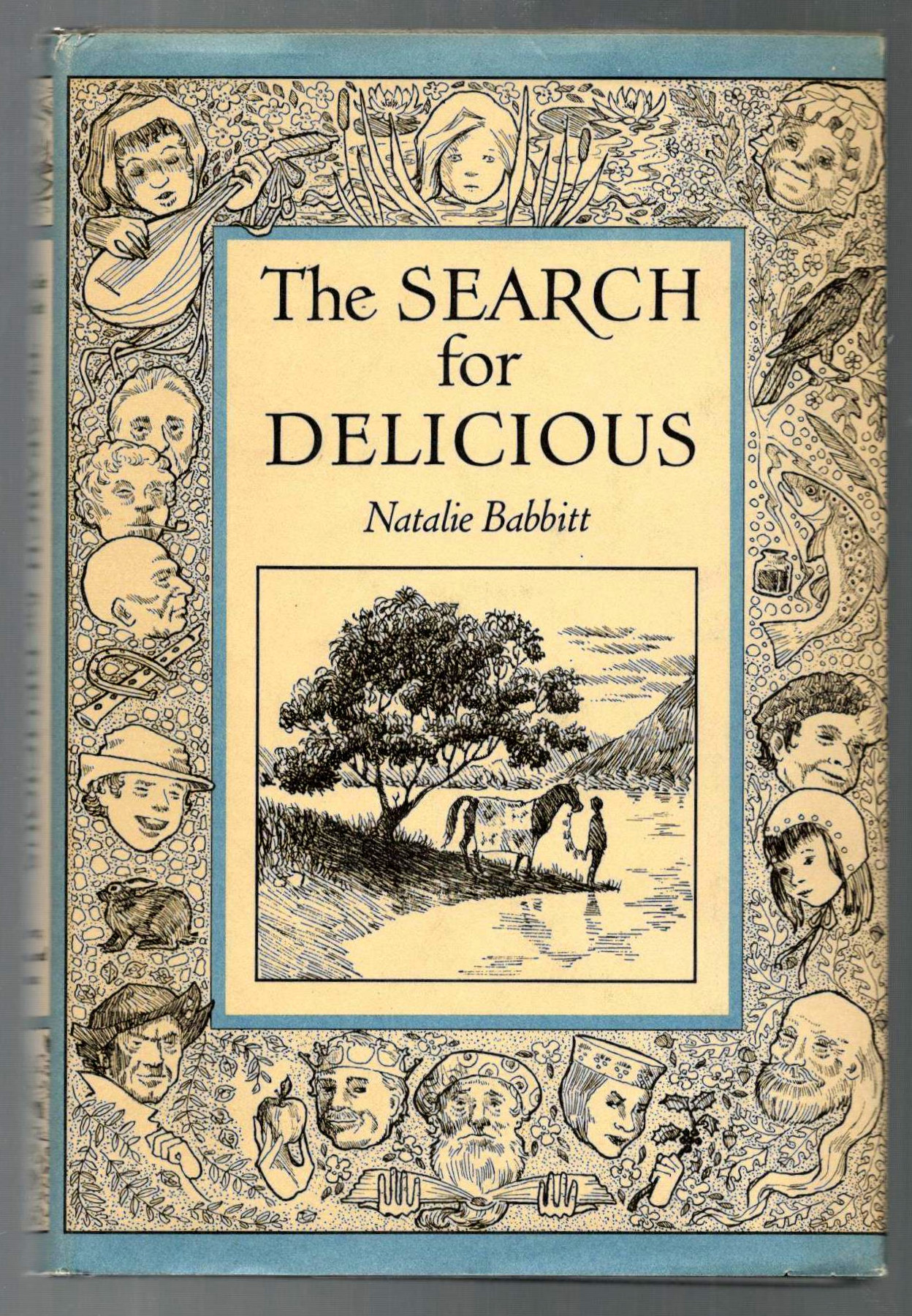
This week’s batch of books seems to exemplify the lovely, uncontrolled wonders of a used bookshop. We have ex lib. copies of scarce Canadian history, lush Folio Society books, hardcover Children’s Lit, contemporary Penguin paperbacks, and local art catalogues. It reminds us of the excellent bookshop Ten Editions in Toronto (well, formally in Toronto as UofT ignorantly booted them out of their storefront to gentrify the neighbourhood). Ten Editions was wonderful, approachable, and eclectic. It was moody, stuffed, and affordable too. It’s the kind of place we aspire to be. Sure, there’s someone out there (a bookseller probably) who would say nah you don’t want to be like them. Booksellers always tell you not to be this or that. No shop is good except theirs, and they’re not even happy with their own shop. But we’re book buyers too, and there are shops where it’s love at first bite. Ten Editions was one of them, and if part of its shadow can cross ours, even superficially in a new arrivals email (and in our imaginations), then we’re happy.
This brings to mind a conversation we had once with the bookseller at Abbey Books from Toronto. At the time we had a sense that bookselling was a trade, but he disagreed. We dared to call it a profession and he disagreed more. It was a vocation, he offered, and at the time we were too young and ambitious to let that sink in properly. But it is a vocation, and he was right. Some booksellers might boast about their business acumen, and that’s a solid boast, but in that case, we feel, the items for sale could be interchangeable. They might sell records, or stamps, or toys, and still succeed. Booksellers are good at selling books, and would likely stink at anything else.
Only those who receive the call can survive. Few booksellers stay for decades. Few are “institutions” (if they’re any good). All the good ones are a part of lives, imaginations, futures, and their occasional loss is felt in reality by the people who made them a part of their lives. Then they vanish, like a spirit into a lake.
We think of the important shops in Canada: The Village Bookshop (gone), Letters (moved up north), The Word (still strong and beautiful in Montreal). The Village Bookshop was a gem. We never got to go (we’re too young) but we’ve read about it and, in our opinion, any place that has a mailbox for bpNichol to get his mail delivered is a gem. Each of these bookstores, in the shadow of retail posturings from their neighbours, were true centres of book life. They made things. They promoted literature. They were gathering places for the weird and beautiful. Each was (or in the case of The Word ARE) run by truly knowledgeable and caring book people. You can feel it the moment you walk through the door, a strange bends feeling, like you’ve pinched a membrane from this world to another into a place strangely different yet welcoming. Every inch of their space isn’t planned by a retail designer to ease your inhibitions. They’re worlds of their own design and sequence. They’ve become something, partly from the bookseller’s personal calling, partly from the calling of the readers who go there, and partly from the writers who were called to create the works sold therin.
In all the talk of micro-markets, activations, and retail experiences, there has been a trade doing this, nearly invisibly, for centuries. When people ask what you’d do if you could go back in time, our answer is easy: we’d go to bookshops. We’d give a piece of our soul to find out what it felt like to be at Ten Editions on its opening day. We would love to leave a piece of ourselves there.
Much love,
Jason and Vanessa